Writing by Jacques Nell
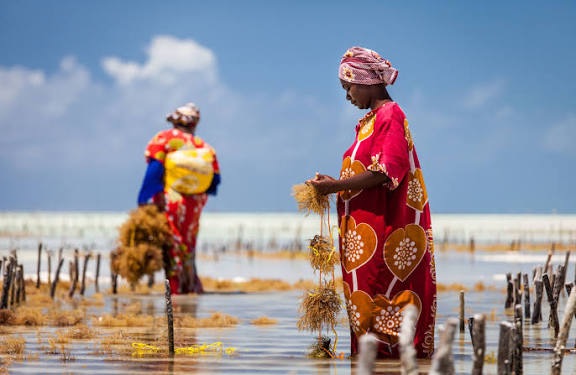
Every morning when I walk through Stone Town, I’m reminded why I chose to build my life here. The narrow alleys echo with the call to prayer, the smell of cardamom and cloves lingers in the air, and children in crisp uniforms race off to school, weaving between tourists who are already lost in the maze. Above us, crows circle the old rooftops as if they’ve been watching Zanzibar’s story unfold for centuries.
Zanzibar is not just a tropical island. It is a living story, a place where history, culture, and opportunity all meet. And for me, that’s what makes it so rare.
A Crossroads of Civilizations
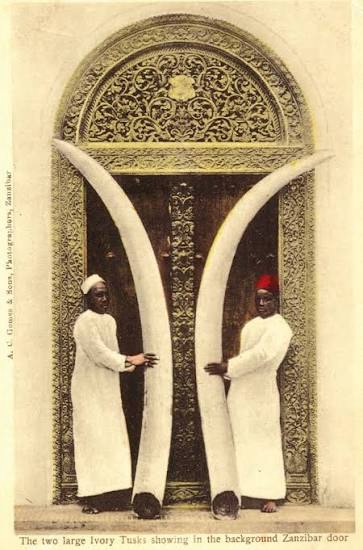
For centuries, Zanzibar has been the meeting point of worlds. Arab traders, Indian merchants, Persian sailors, and African kingdoms all left their mark here. The Omani sultans made Zanzibar their capital in the 19th century, building palaces, mosques, and the famous elephant doors, ornate wooden masterpieces with brass studs that still line the alleys of Stone Town today.
But this history is layered. Zanzibar was once East Africa’s largest slave port. In Stone Town, you can still step into the underground chambers where men, women, and children were held before being sold. It’s impossible to forget, and it’s part of what shaped the resilience of Zanzibar’s people.
At the same time, Zanzibar flourished as the Spice Island. Cloves, nutmeg, cinnamon, and saffron once made the island rich beyond imagination. In fact, saffron was at one time more valuable than gold. Even today, spice farms thrive inland, and their scents tell the story of an island that has always been tied to global trade.
The People and Culture
The real beauty of Zanzibar lies in its people. The majority are Muslim, and faith is woven into daily life. mosques fill on Fridays, Ramadan transforms the streets with food markets and celebration, and hospitality is second nature.
Life here is communal. Neighbors share meals, children are raised by entire communities, and visitors are welcomed like family. Women, once limited in their opportunities, are now shaping the future of Zanzibar. More girls are in classrooms and universities than ever before, and women are running businesses, teaching, and stepping into leadership.
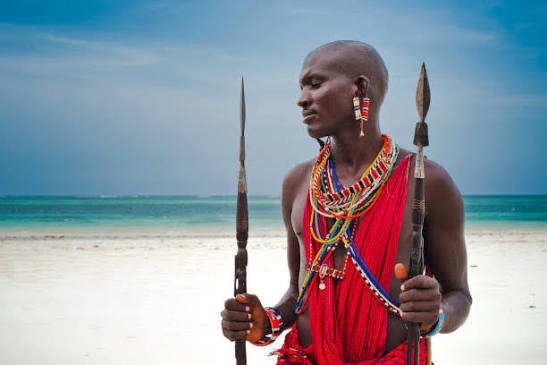
The Masai, migrating from mainland Tanzania, have also become part of daily life on the island. Their red shukas and tall spears are now as familiar as the sound of taarab music in the air. Together with the Swahili culture of the coast, they add yet another thread to Zanzibar’s vibrant cultural tapestry.
Stone Town itself feels like a living museum. You hear Swahili, Arabic, Hindi, and English in the same conversation. You smell biryani and grilled seafood as you pass food stalls. And tucked away on one narrow street is the childhood home of Freddie Mercury a reminder that even global icons can be born in these alleys.
Children, Education, and Society
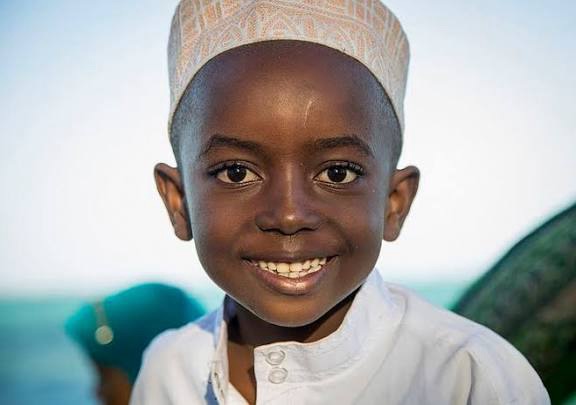
For children growing up here, life is both traditional and forward-looking. Many attend madrasa in the mornings before going to school, balancing religious education with academics. New international schools are opening, offering bilingual programs in English, French, and Arabic. Parents see education as the bridge between Zanzibar’s heritage and its global future.
Society is changing in quiet but powerful ways. Where opportunities were once limited, now a new generation of Zanzibaris men and women are stepping confidently into education, entrepreneurship, and public life.
The Pandemic That Changed Zanzibar
The biggest shift in modern times came during the Covid-19 pandemic. While the world closed down, Zanzibar remained open.
People came here to escape lockdowns, planning to stay for a few weeks. But weeks turned into months, and many never left. Some opened cafés, boutique hotels, and restaurants. Others invested in villas and apartment projects.
What could have been a crisis instead became the start of a new chapter. Covid put Zanzibar on the map for investors and developers who realized what locals already knew: this island is one of the rarest places in the world.
A Dual Lifestyle Few Places Can Match
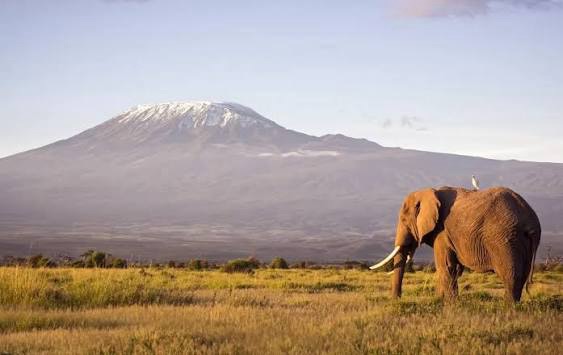
Zanzibar offers something unique: the chance to live two lives in one. In the morning, you can swim with dolphins in turquoise water. By afternoon, you can fly to the Serengeti and watch elephants, lions, and leopards on safari.
This dual lifestyle beach and bush, island and mainland is what sets Zanzibar apart from other destinations. It’s not just a holiday; it’s a way of life that very few places on earth can offer.
The Growth of Investment
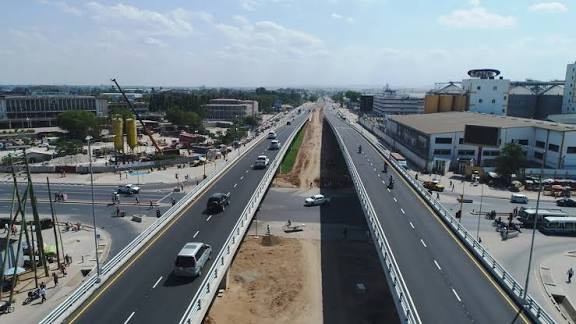
Today, Zanzibar is becoming East Africa’s new hotspot for tourism and real estate investment. Roads are being expanded, the airport is modernizing, and digital infrastructure is catching up. Developers are building luxury resorts, branded residences, and off-plan apartment projects.
For investors, Zanzibar feels like Mauritius 20 years ago or Cape Town before its international boom. Prices are still accessible, rental yields are strong, and long-term appreciation is expected as infrastructure improves and tourism grows.
Tourism growth: visitor arrivals are climbing year on year. High rental demand: beachfront villas and apartments see strong short-term occupancy. Capital appreciation: infrastructure and branding are driving long-term value. Global interest: investors from Europe, the UAE, and Oman are returning to an island they once traded with centuries ago.
Still Holding Onto Identity
What makes Zanzibar unique is that, despite this growth, it refuses to lose itself.
The call to prayer still drifts across the rooftops. Children still play football barefoot in Stone Town’s alleys. Women still wear kangas decorated with Swahili proverbs. Spice farms still thrive inland.
Yes, there are new developments, but the soul of the island remains intact. That’s what makes Zanzibar such a rare place: an island that is developing, but still deeply tied to its culture and traditions.
Why Zanzibar Is Different
I’ve spent years in real estate across Mauritius, Cape Town, and now Zanzibar. I’ve seen markets transform. And I can tell you: Zanzibar today is at the start of something extraordinary.
Investors often ask me: “Why Zanzibar?” My answer is simple. It’s not just about numbers. It’s about joining a story that is alive, a culture that is rich, and a place that is both rare and full of possibility.
The Island’s Living Story
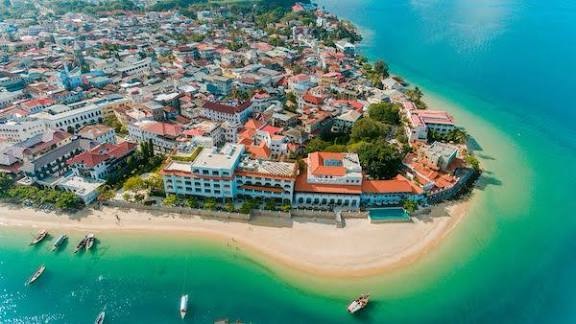
Zanzibar has always been a place of contrasts. It was once a slave port, but it was also a spice empire. It’s where saffron was worth more than gold, where Omani sultans ruled, and where Freddie Mercury was born. It’s the island that stayed open during Covid and turned crisis into growth.
Today, it is building its future without forgetting its past. It is modernizing, investing, and welcoming the world while still keeping its traditions alive.
That’s why I believe Zanzibar is one of the rarest places on earth. Not just for holidays. Not just for investment. But as a way of life.
And I’m proud to be part of that story.
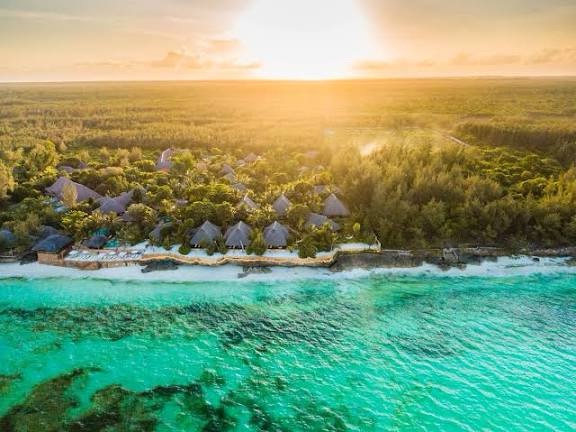
 Island Living
Leave a comment